•
IT Services
•
Mid-market
•
Reduce DSO
January 16, 2026
Measuring True MSP Finance Success
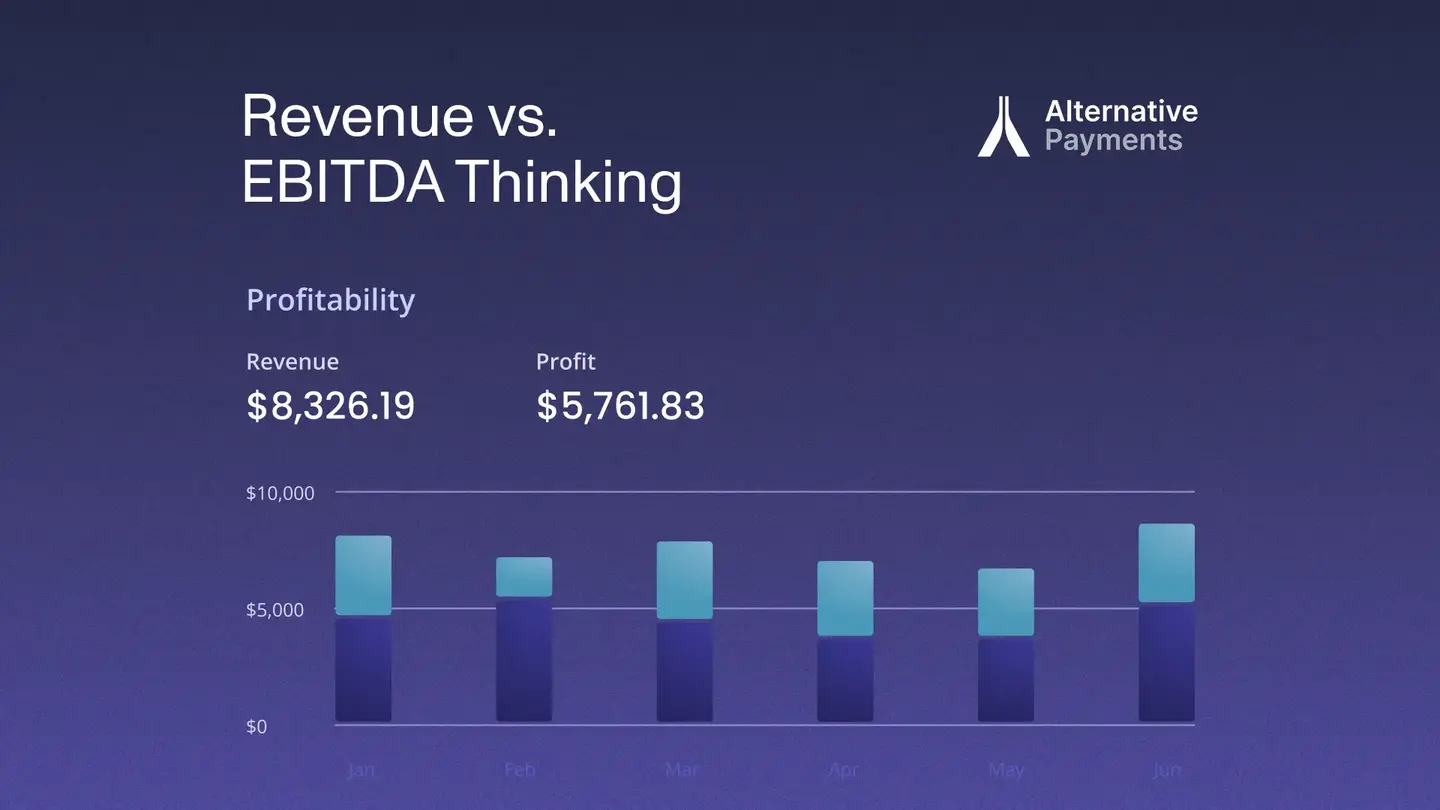
When Cost of Goods Sold (COGS) data is delayed or imprecise, the impact extends far beyond accounting. It quietly distorts how decisions are made across the business.
Pricing strategies are built on incomplete margins. Teams work harder to hit targets that are undermined by hidden costs. Capital that should be reinvested with confidence instead sits on the sidelines, waiting for clarity.
Revenue is a “vanity metric” if it isn’t tethered to the reality of what it costs to deliver. Here is how that distinction changes your perspective:
In the context of MSP Finance, this goes beyond the simple cost of software licenses to include the technical labor required to support those services. Many firms struggle to properly allocate labor hours to specific contracts, leading to an inflated sense of profitability that disappears once payroll is fully accounted for.
Establishing a clear framework for tracking labor utilization and license true-ups ensures that your gross margin figures are based on reality rather than optimistic estimates.
The Transition From Revenue To Profitability
Growth for the sake of growth is a dangerous strategy in the managed services world. Revenue is often a “vanity metric” that can provide a false sense of security while operational inefficiencies remain hidden beneath the surface. To build a sustainable business, leadership must prioritize EBITDA and net profit margins over total sales volume. This shift requires a cultural change within the organization, where every new contract is evaluated not just for its size, but for its impact on the overall bottom line.
Focus on high-quality revenue rather than high-volume revenue, which allows the business to scale without simultaneously increasing its financial risk.
Defining The True Cost Of Service Delivery
The shift to EBITDA reframes your leadership perspective in three critical ways:
1. It Exposes “Bad” Revenue
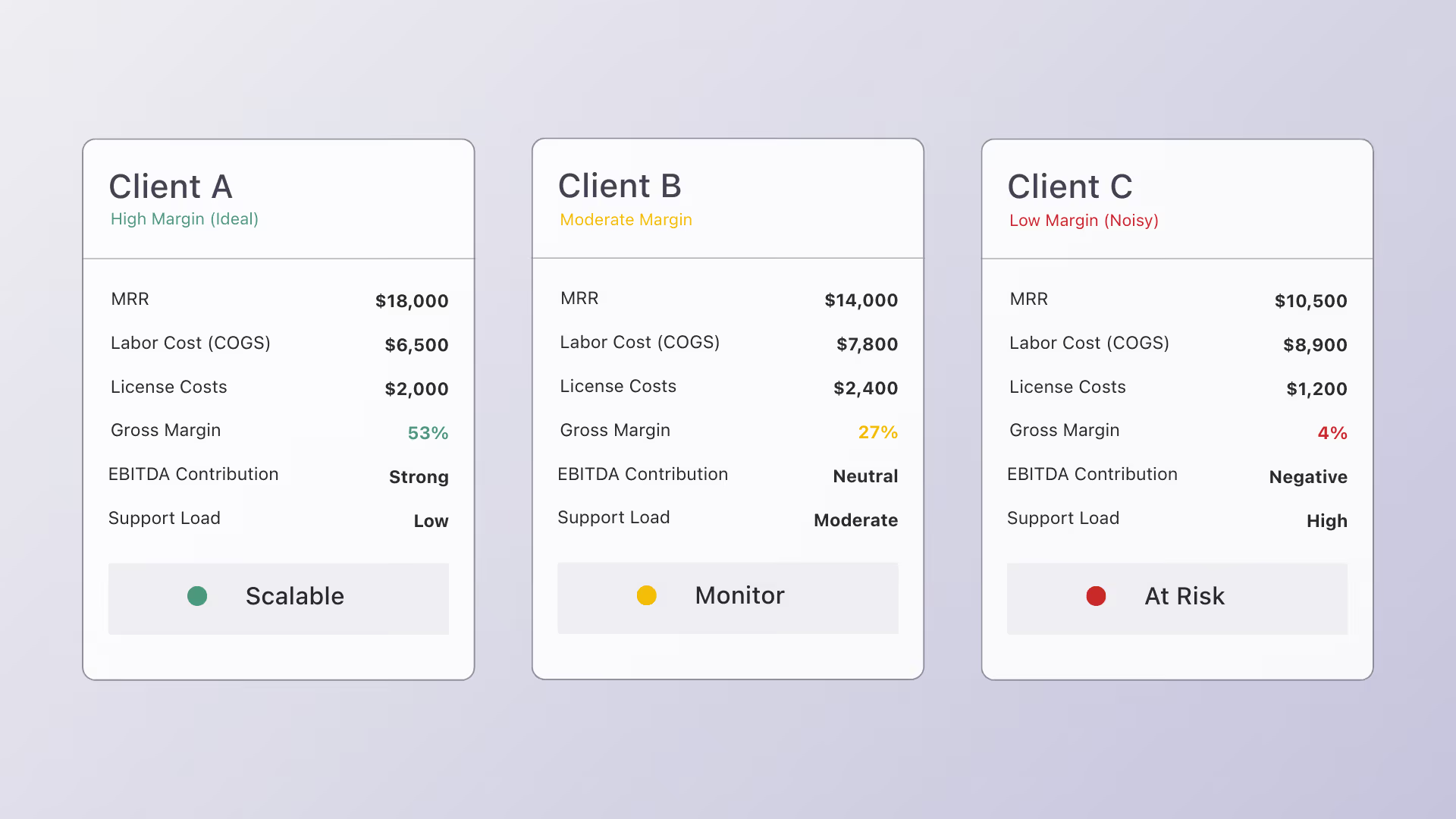
Revenue-focused leaders often say yes to every deal. EBITDA-focused leaders realize that a $10k/month client requiring $9k in labor (COGS) is a liability. By removing interest and taxes from the view, you see the raw efficiency of your service delivery.
- The Decision: Do we renew this client at a higher rate, or let them go to free up capacity for higher-margin work?
2. It Standardizes Operational Maturity
Whether you use debt to buy hardware or cash to lease it, EBITDA ignores those financing choices to show how well your core engine performs. This is why investors use it as the primary yardstick; it reveals if your processes are actually scalable or just powered by “brute force” labor.
3. It Quantifies the “Multiplier Effect.”
In the MSP world, valuation isn’t just a multiple of revenue—it’s a multiple of EBITDA. Reframing your decisions around this metric directly impacts your exit or borrowing power.
- The Revenue View: “Increasing revenue by 10% makes us 10% more valuable.”
- The EBITDA View: “Increasing our EBITDA margin from 10% to 15% through automation could double our company’s valuation.”
Comparison: Revenue vs. EBITDA Thinking
The Psychology Of EBITDA For MSP Leadership
The Three Stages of Financial Maturity
While many models exist, for a scaling MSP, maturity usually follows this trajectory:
- The Hustle (Reactive): Success is measured by cash in the bank. Pricing is “gut-feel,” and COGS is often lumped in with general expenses. You are growing, but you’re tired.
- The Control (Proactive): You transition from cash to accrual accounting. You begin tracking Gross Margin per client and can identify which “noisy” accounts are actually costing you money.
- The Scale (Institutional): Decisions are made based on EBITDA impact. You have a “Reference Architecture” (a standardized tech stack) that allows one engineer to support 30% more endpoints than the industry average.
Maturity Reframes the “Engine”
When a team understands that its goal is to optimize the engine, three major shifts occur in daily operations:
- Hiring Decisions: Instead of hiring because “everyone feels busy,” you hire because your Technician Utilization Rate and Gross Margin per User indicate that you’ve reached the mathematical limit of your current team’s efficiency.
- Technology Spend: Tools are no longer viewed as “costs” but as R&D for the Service Factory. If a $2,000/month automation tool saves 40 hours of manual labor, a mature leader sees that as an immediate boost to EBITDA, not an added expense.
- Client Selection: Maturity gives you the “right to say no.” You stop chasing low-margin project work that distracts your team and focus exclusively on high-MRR (Monthly Recurring Revenue) clients who fit your standardized stack.
Calculating Service-Level Profitability
Not all services are created equal, and treating your offerings as a monolithic block can hide significant losses. A mature approach to MSP Finance involves breaking down margins by individual service lines, such as managed security, cloud infrastructure, and traditional help desk support.
This granular view allows you to identify which parts of your stack are performing well and which are being subsidized by other departments.
Establishing a clear picture of service-level margins requires intentional data structure.
- Financial clarity begins by segmenting revenue streams into distinct categories.
- Proper allocation of direct costs allows for a realistic view of which services are truly profitable.
- Identifying low-margin service lines enables leadership to adjust pricing or streamline delivery.
- High-performing service lines can be prioritized for marketing and sales investment.
Isolating these variables, we can make data-driven decisions about where to invest resources and where to pull back. This level of detail transforms the finance department from a historical record-keeper into a proactive strategic partner.
Client-Level Margin Analysis
Similar to service-level tracking, understanding the profitability of each client is essential for long-term health. Some clients are “noisy,” consuming a disproportionate amount of help desk time and senior engineering resources compared to their Monthly Recurring Revenue (MRR). Without client-level margin analysis, these relationships can quietly erode the profits generated by your most efficient accounts. We recommend a regular review of client contributions to ensure that every partner in your portfolio is contributing to the firm’s growth rather than detracting from it.
This data becomes a powerful tool during contract renewals, allowing for evidence-based price adjustments or service modifications.
The Role Of Operational Maturity Levels In Finance
Financial performance in the managed services industry is rarely an accident; it is the direct result of a firm’s Operational Maturity Level (OML).
Higher OML firms typically see significantly higher EBITDA margins because they have standardized their service delivery and financial reporting. According to industry research on the financial health of IT service providers, top-quartile MSPs often achieve EBITDA margins that are double or triple those of their lower-maturity peers.
We observe that as a firm moves up the maturity scale, its focus shifts from survival-based cash management to sophisticated capital allocation.
Moving Beyond Static Monthly Reporting
Waiting until the middle of the following month to review financial statements is a reactive approach that limits a leader’s ability to pivot. In a fast-moving market, MSP Finance must move toward real-time or near-real-time visibility into key performance indicators. When financial data is trapped in a monthly “close” cycle, problems like excessive overtime or unbilled license counts can persist for weeks before they are addressed.
Transitioning to dynamic dashboards allows leadership to see trends as they emerge, providing the agility required to take corrective actions before a small leak becomes a significant financial drain.
Managing The Working Capital Cycle
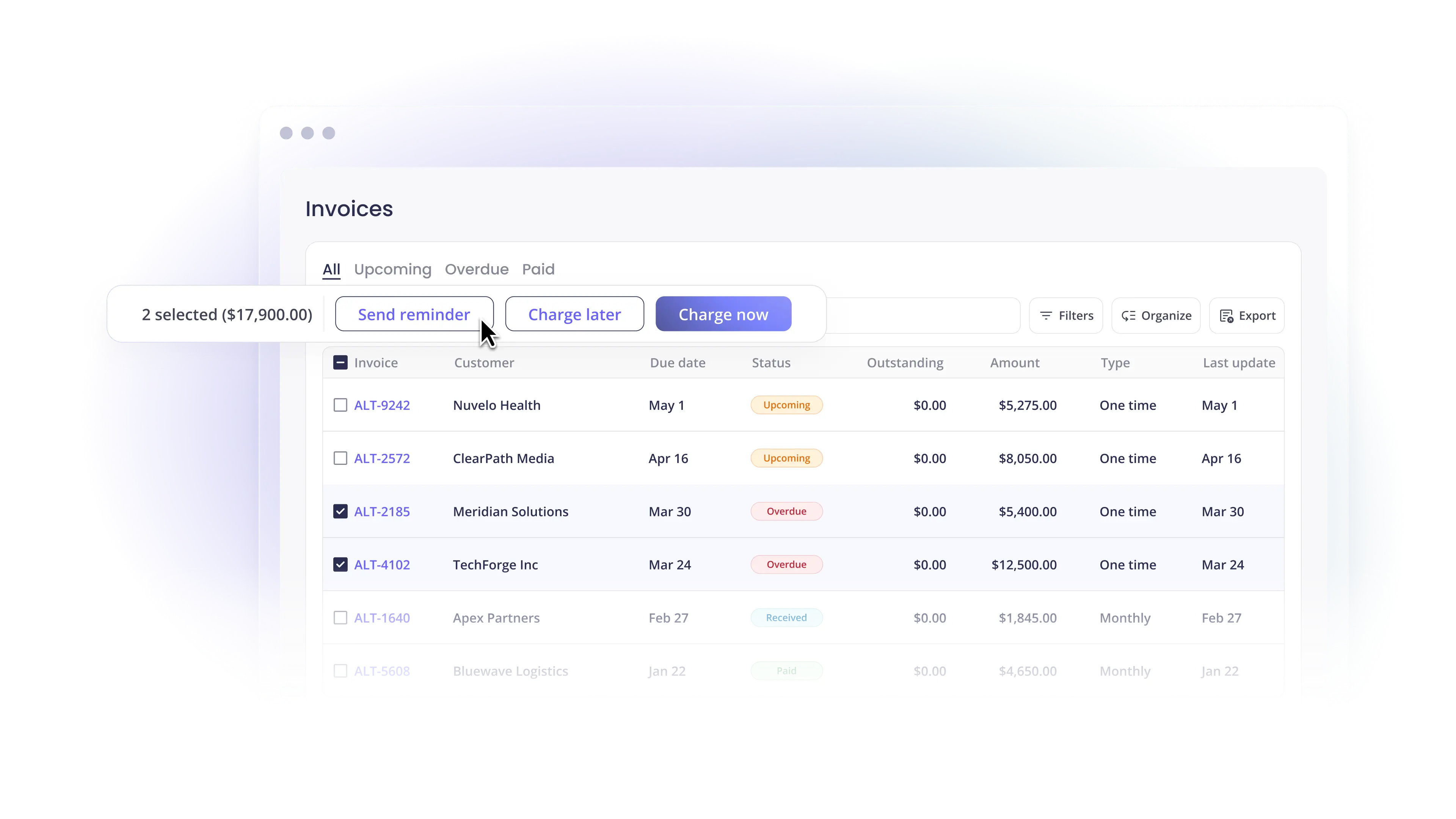
Profitability on paper does not always translate to cash in the bank, and many growing MSPs find themselves “profit rich but cash poor.” Managing the working capital cycle requires a strict focus on Days Sales Outstanding (DSO), which measures how quickly your business converts invoices into actual cash flow.
A high DSO indicates that your company is essentially acting as a bank for your clients, providing interest-free loans that tie up capital you could be using for growth. By tightening the gap between service delivery and payment collection, we improve the firm’s liquidity and reduce the reliance on external lines of credit.
Data Integrity And The Automated Finance Stack
The transition to sophisticated metrics is only possible if the underlying data is reliable. Manual data entry and disconnected systems are the primary enemies of data integrity, often leading to discrepancies between the PSA (Professional Services Automation) tool and the accounting ledger.
If your finance team is manually reconciling license counts or hours worked, the risk of human error is high. Investing in an automated finance stack ensures that data flows seamlessly from the service desk to the balance sheet.
This automation not only preserves accuracy but also frees your finance professionals to focus on high-level analysis rather than repetitive data entry.
Designing A Future-Proof Financial Strategy
A sophisticated financial framework is the ultimate insurance policy for an MSP’s future. Whether the long-term goal is an internal succession, a strategic acquisition, or an eventual exit, having clean, granular, and defensible financial data is the prerequisite for success.
Buyers and investors do not just look at the top line; they perform deep due diligence on service-level margins and client-retention health. By building these metrics into your daily operations now, you are not just managing a business; you are building a valuable asset that offers maximum optionality for the future.
Next Steps For Mastering Your Financial Metrics
Transitioning to a more sophisticated financial model requires a systematic review of your current reporting capabilities. We suggest starting with a clear assessment of your internal data flow to identify where your visibility is currently obscured.
- Audit your current COGS categories to ensure that technical labor and all third-party licenses are accurately captured.
- Segment your client list into profitability quartiles to identify which accounts are consuming the most resources relative to their revenue.
- Review your current Days Sales Outstanding (DSO) and set a target for reducing the time between invoicing and settlement.
- Identify the manual steps in your current billing process that could be replaced by automated synchronization between your PSA and accounting tools.
- Schedule a quarterly strategy session focused exclusively on EBITDA and service-level margins rather than just top-line growth.
Taking these steps ensures that your finance department is equipped to support a scaling business with the precision and clarity that modern leadership demands.
Simplify your customer payments, unlock instant cash flow
Keep reading


AI cash-flow forecasting: how business owners can test assumptions

Can AI financial analysis explain why your margins changed?