•
IT Services
•
Enterprise
•
Mid-market
December 26, 2025
How Consistent MSP Billing Data Fuels Your Next Strategic Business Move
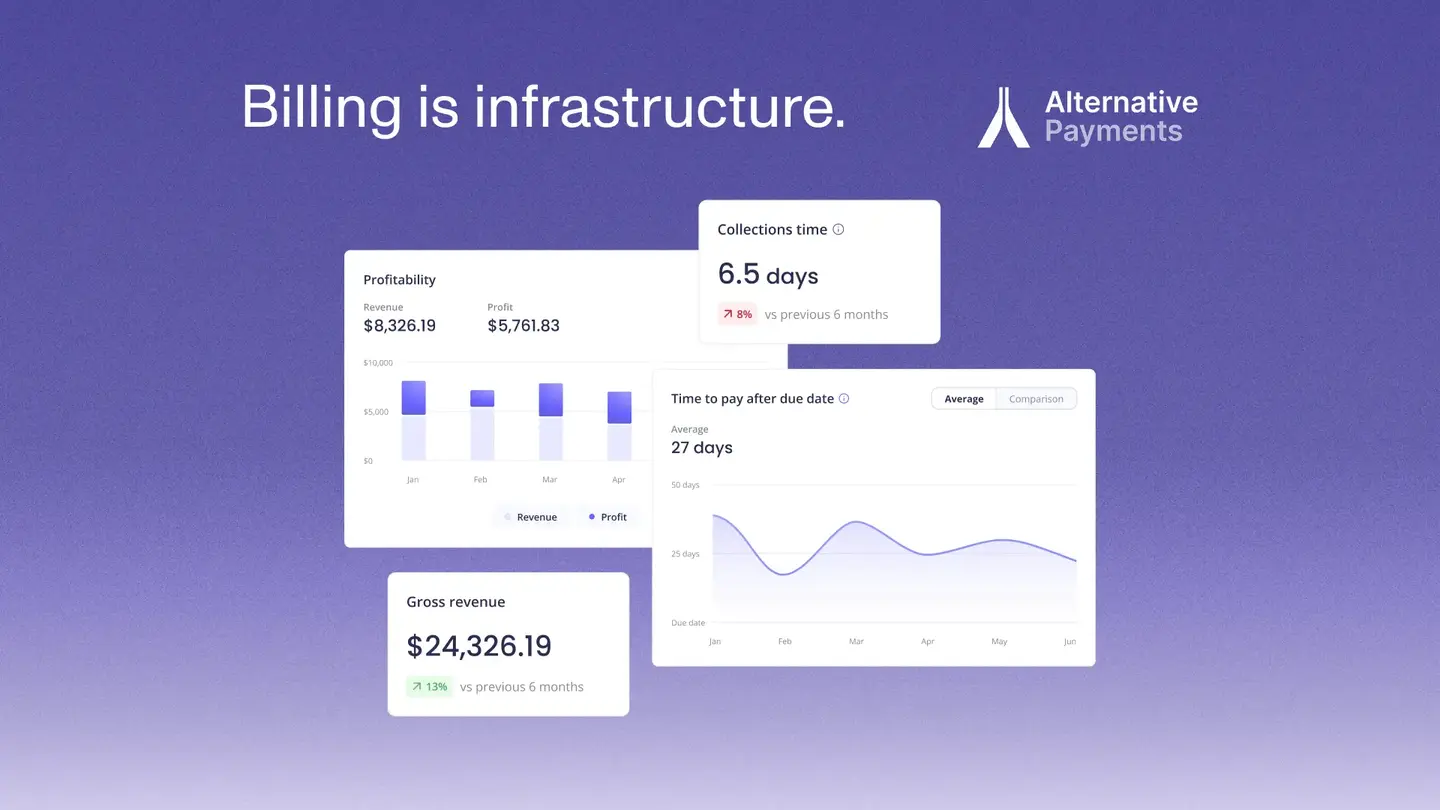
When billing data is inconsistent, uncertainty creeps into every decision. Hiring feels risky. Investments feel premature. Forecasts feel more like guesses than plans.
Where The Stress Usually Comes From
- Revenue projections change after the fact due to late adjustments or corrections.
- Cash flow confidence drops because billing timing is unpredictable.
- Leadership hesitates to commit resources without fully trusting the data.
- Teams spend time explaining numbers instead of acting on them.
When billing data becomes consistent, that stress fades quickly. Planning shifts from defensive to intentional. Decisions happen faster because leaders trust what they are seeing. The numbers stop being a source of tension and start becoming a source of confidence.
That is when planning feels like leadership again, not risk management.
The Difference Between Billing Activity And Billing Intelligence
Many MSPs assume they have good billing data because invoices are being sent and paid. Activity alone, however, does not equal insight.
Billing intelligence comes from consistency. When the same data flows cleanly from your PSA into payments and accounting, patterns start to emerge. You can see which clients grow steadily, which contracts fluctuate, and where revenue concentration creates risk. Without that consistency, reporting becomes an exercise in reconciliation instead of analysis.
When billing data is fragmented, leadership meetings turn into debates over which numbers are correct. We have seen situations where a planned support hire was delayed because the finance team needed more time to reconcile recurring revenue across systems. The need for the role was clear, but leadership chose to wait until there was confidence in the cash flow data before moving forward. When it is consistent, those meetings turn into conversations about strategy.
That shift is subtle, but it changes how confident you feel running the business.
Forecasting Becomes Easier When Billing Is Predictable
Forecasting is only as good as the historical data behind it. If billing data changes month to month because of manual adjustments, missed payments, or delayed reconciliation, forecasts feel fragile.
When billing runs on consistent rules and automated processes, forecasting becomes grounded in reality. Historical trends actually mean something. Recurring revenue behaves like recurring revenue. One-time charges stand out clearly instead of muddying the picture.
When you look at how businesses actually pay each other, it becomes clear that modern payment environments place a premium on speed, choice, and control. This insights brief highlights how visibility and process clarity play a major role in payment timing.
For MSPs, this translates directly into forecast confidence. When billing data is clean, forecasts stop being optimistic guesses and start becoming planning tools you can trust.
How Historical Billing Data Supports Valuation
Whether you plan to sell your MSP, acquire another firm, or simply understand your company’s worth, valuation depends on data quality.
Buyers and investors look for predictable revenue, clean records, and minimal risk. Inconsistent billing raises questions fast. Even strong growth can be discounted if the numbers behind it require explanation.
Consistent billing data tells a clear story. It shows revenue stability, customer retention, and pricing discipline. That clarity increases confidence and often improves valuation outcomes, not because revenue suddenly grows, but because risk appears lower.
This is one of the most overlooked benefits of getting billing right early.
Why Integrations Matter More As You Scale
This is where integrations quietly do the heavy lifting.
When your PSA, payment platform, and accounting system operate in sync, billing data stays consistent by default. There is less manual handling, fewer opportunities for error, and faster visibility into what is happening financially.
As your MSP grows, manual processes that once felt manageable start breaking down. Integrations help maintain consistency without adding headcount or complexity. They allow billing operations to scale at the same pace as the business.
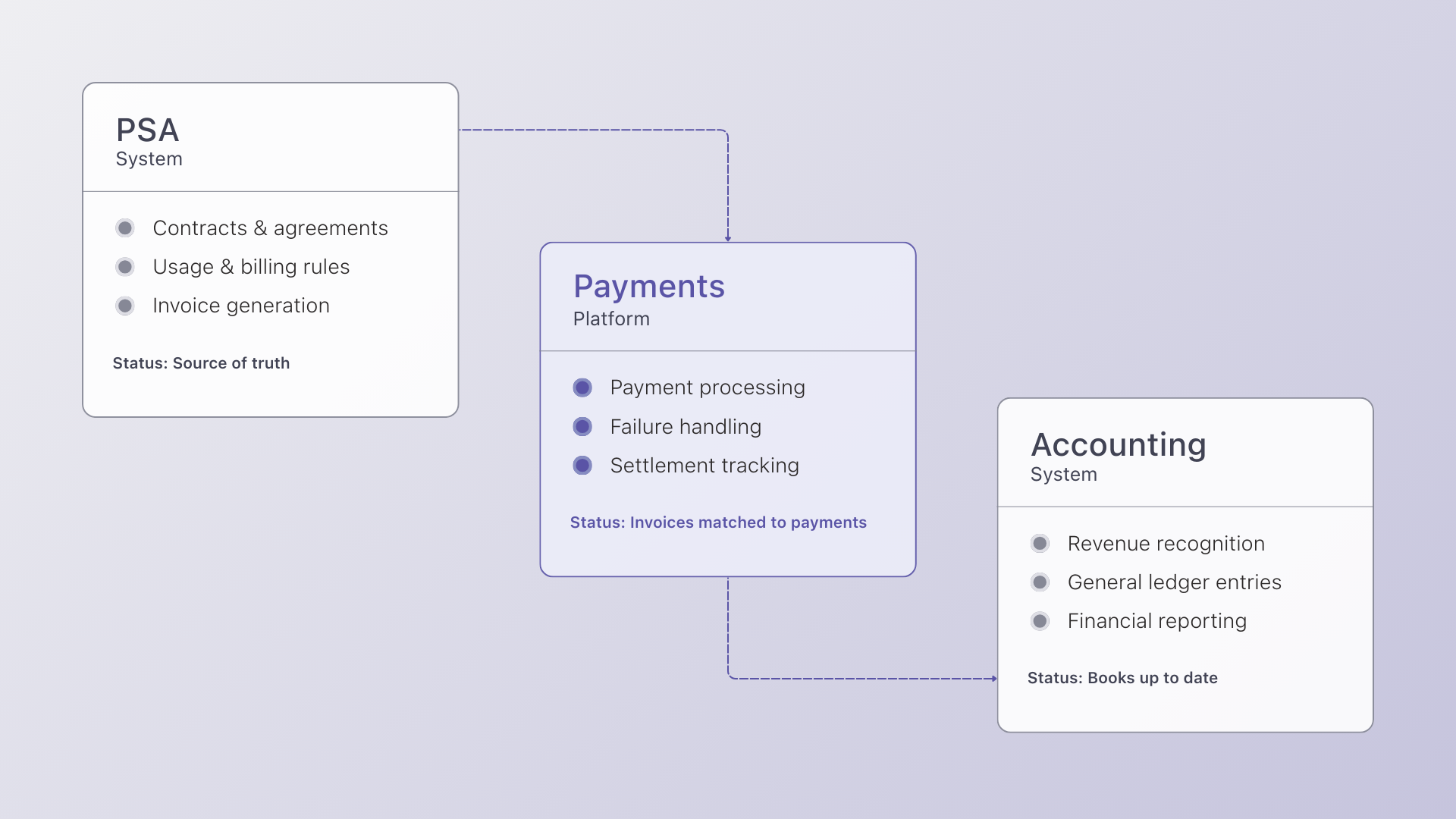
At this stage, billing stops being something leadership worries about daily. It becomes infrastructure that supports smarter decisions in the background.
Turning Billing History Into Forward-Looking Metrics
Once billing data is consistent, something important happens. You stop looking backward and start looking forward.
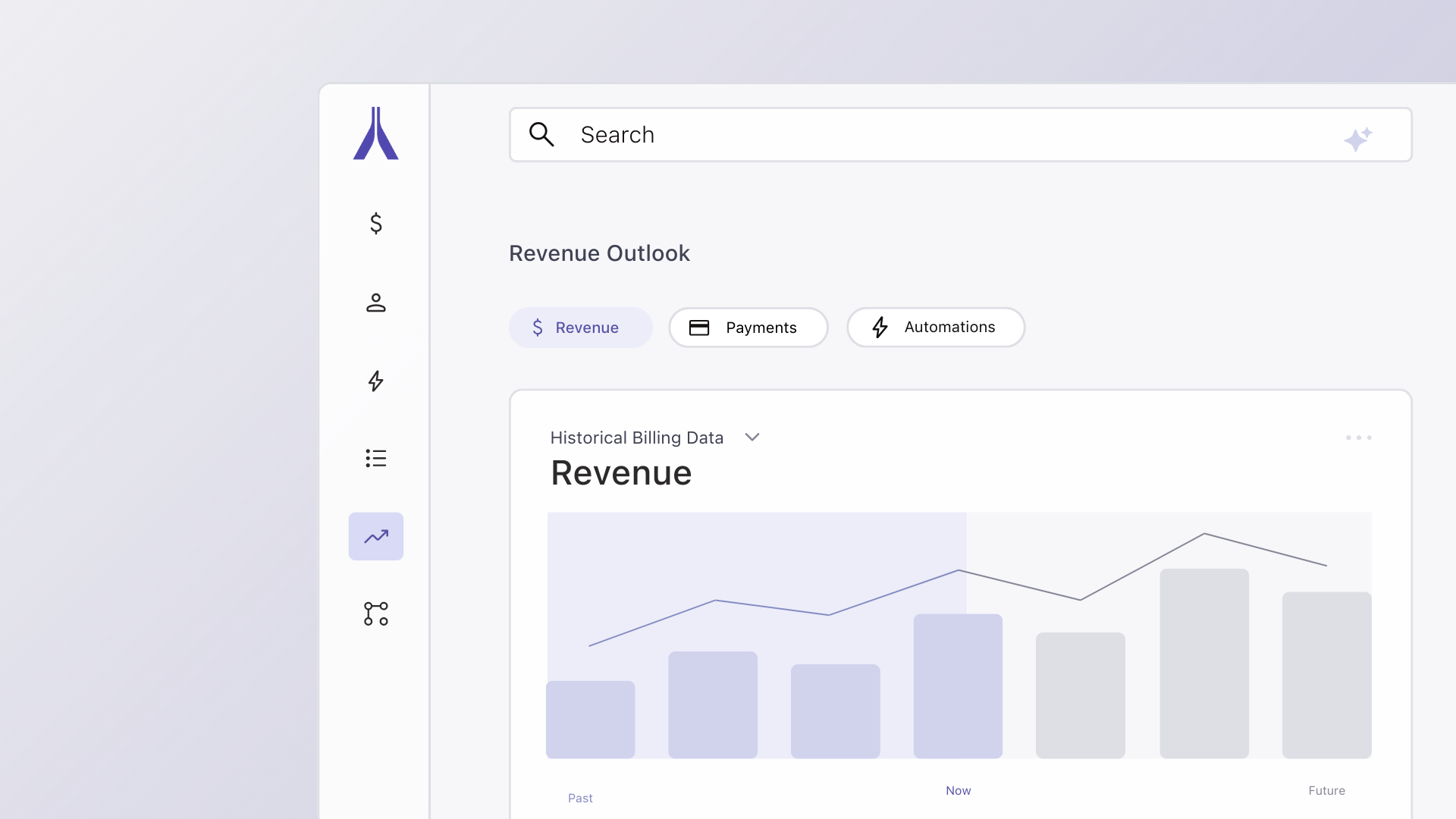
Clean historical billing allows you to track metrics that actually matter: monthly recurring revenue growth, expansion revenue, churn impact, and revenue concentration by client. These are not just finance metrics. They are leadership metrics. They tell you whether growth is healthy or fragile.
When data is inconsistent, these metrics feel unreliable. When data is clean, it turns into clear signals leaders can act on. You can spot trends early, adjust pricing before margins erode, and plan investments with far more confidence.
This is where billing history turns into a strategic compass.
How Consistent Billing Reduces Leadership Stress
In working with MSP finance and operations teams, I see the same pattern over and over. Stress does not come from growth itself. It comes from uncertainty.
When billing data feels unreliable, it creates a constant background tension. Leaders hesitate before making even reasonable decisions. Forecasts feel provisional. Plans are padded with caution because no one fully trusts what the numbers will do next month.
Consistent MSP Billing removes that emotional drag. When revenue behaves predictably, leadership stops second-guessing. Conversations feel calmer. Planning sessions feel grounded instead of speculative. You are no longer bracing for surprises that show up after the fact.
The biggest shift here is not operational. It is psychological. When the numbers feel settled, leadership energy moves away from worry and back toward direction.
Why Consistent Billing Improves Cross-Team Alignment
Billing data does not live in a vacuum. It affects how teams communicate.
When finance, operations, and leadership all reference the same reliable data, conversations change. Questions become sharper. Decisions happen faster. Disagreements shift from data accuracy to strategy direction.
When billing data is fragmented, teams lose time reconciling instead of collaborating. Consistency creates a shared source of truth that keeps everyone aligned.
This alignment becomes especially important as MSPs grow beyond a small leadership circle and into more structured teams.
Consistency Creates Optionality For The Future
One of the quiet advantages of strong billing data is optionality.
When your numbers are clean, you have choices. You can explore acquisitions. You can consider new service lines. You can evaluate outside investment without scrambling to clean up records. Even if you never act on those options, having them reduces risk.
Inconsistent billing closes doors before you even knock. Consistent billing keeps doors open.
This is not about planning an exit tomorrow. It is about making sure future opportunities are not limited by today’s infrastructure.
Why Reliable Billing Enables Better Decisions
Once the emotional noise is gone, something else becomes possible. Decisions get sharper.
When MSP Billing data is consistent, leaders can act instead of hesitating. Hiring plans align with real cash flow. Pricing changes are evaluated against actual historical performance. Service expansions are based on trends, not assumptions.
This is where billing stops being informational and starts being actionable. The numbers no longer just explain what happened. They guide what happens next.
Reliable billing data shortens decision cycles. Leadership teams spend less time validating inputs and more time discussing outcomes. Strategy moves forward because the foundation underneath it is stable.
Billing As Strategic Infrastructure
At this stage, MSP Billing is no longer just a process. It is infrastructure.
When billing data is consistent, leadership stress drops, decisions accelerate, and future options remain available. None of that requires heroic effort. It requires systems and integrations that make consistency the default.
The MSPs that grow intentionally are not just good at service delivery. They are disciplined about the data that supports leadership decisions. Billing sits quietly at the center of that discipline. It helps you decide where the business can go next.
Next Steps: Pressure-Test Your Billing Data Before Your Next Move
If you are thinking about growth, forecasting, or long-term planning, the smartest next step is not buying new tools. It is taking a hard look at the data you already rely on.
Here is a simple way to start evaluating whether your billing data is truly supporting your decisions.
Start With A Quick Self-Assessment
- Review the last three months of billing reports and ask yourself whether you trust the numbers without cross-checking.
- Look at how long it takes to answer basic questions like projected revenue or client-level profitability.
- Notice where manual adjustments or explanations are still required.
- Identify whether finance, operations, and leadership are all working from the same data set.
If any of those steps feel harder than they should, that friction is worth paying attention to. Billing data should reduce uncertainty, not create it. Taking time to assess now gives you clarity before growth forces the issue later.
For many MSPs, this assessment becomes the moment they realize billing consistency is not an accounting issue, but a leadership one.
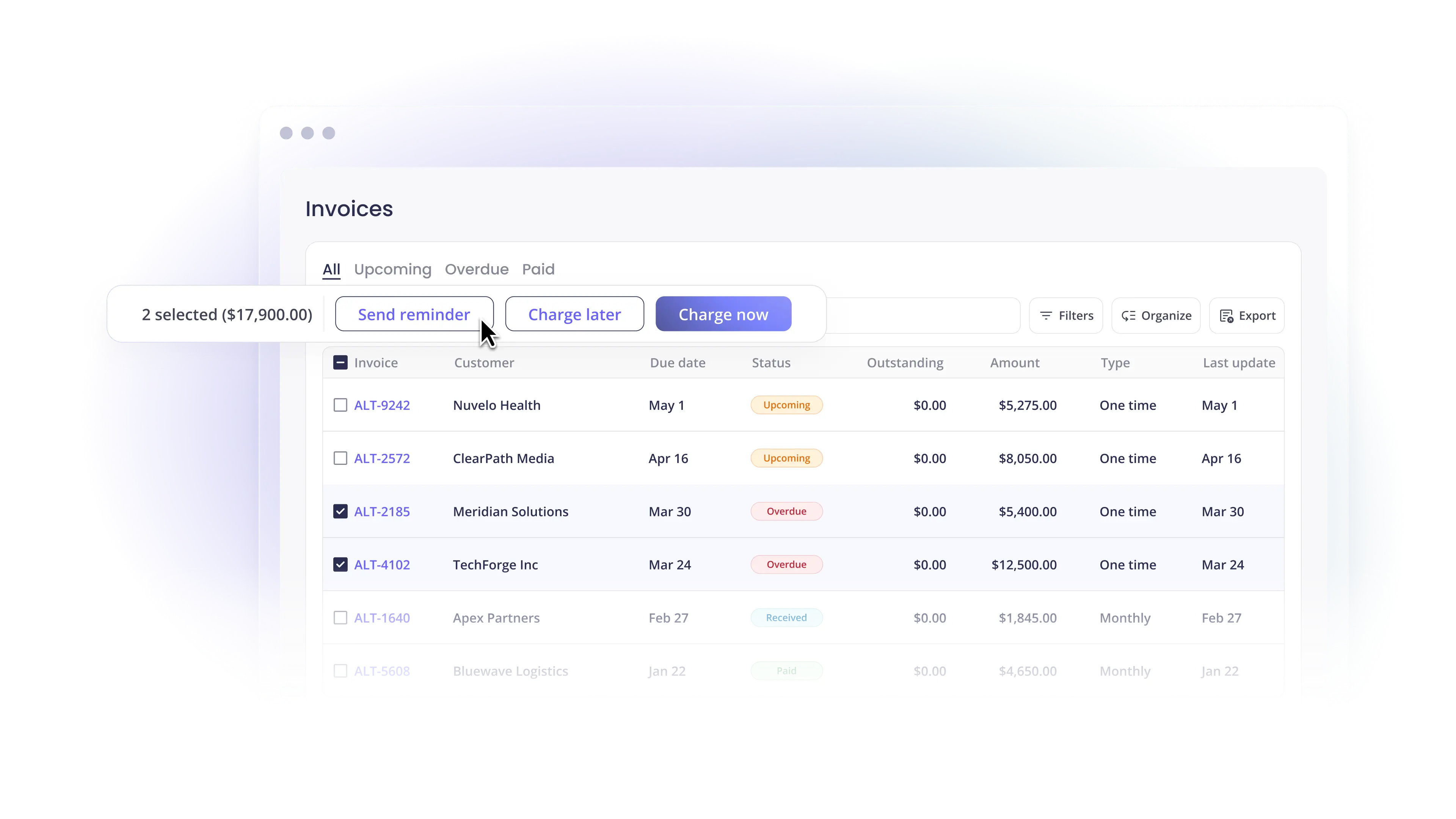
Simplify your customer payments, unlock instant cash flow
Keep reading


Can AI financial analysis explain why your margins changed?

Autotask QuickBooks integration: choosing a billing and payment operating model